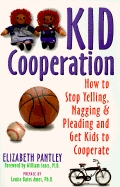
 Would you like to get your kids to willingly cooperate? Stop the daily battles? Teach your kids valuable life skills? If your answer is Yes! Yes! Yes! then read on...
There are so many things we must get our children to do and so many things me must stop them from doing! Get up. Get dressed. Don’t dawdle. Do your homework. Eat. It goes on and on. We can get our kids to cooperate and at the same time allow them to learn self-discipline and develop good decision-making skills. How? By offering choices.
Giving a choice is a very powerful tool that can be used with toddlers through teenagers. This is one skill that every parent should have tattooed on the back of his or her hand as a constant reminder. Parents can use this tool every day, many times a day. Giving children choices is a very effective way to enlist their cooperation because children love having the privilege of choice. It takes the pressure out of your request, and allows a child to feel in control. This makes a child more willing to comply.
Using choice is an effective way to achieve results, and when you get in the habit of offering choices you are doing your children a big favor. As children learn to make simple choices—Milk or juice?—they get the practice required to make bigger choices—Buy two class T-shirts or one sweatshirt?—which gives them the ability as they grow to make more important decisions—Save or spend? Drink beer or soda? Study or fail? Giving children choices allows them to learn to listen to their inner voice. It is a valuable skill that they will carry with them to adulthood.
You should offer choices based on your child’s age and your intent. A toddler can handle two choices, a grade-school child three or four. A teenager can be given general guidelines. Offer choices such that you would be happy with whatever option your child chooses. Otherwise, you’re not being fair. For example, a parent might say, “Either eat your peas or go to your room” but when the child gets up off his chair, the parent yells, “Sit down and eat your dinner, young man!” (So that wasn’t really a choice, was it?)
Here are some ways in which you can use choice:
- Do you want to wear your Big Bird pajamas or your Mickey Mouse pajamas?
- Do you want to do your homework at the kitchen table or the desk?
- Would you rather stop at the gas station or give me the money to fill the tank?
- Do you want to wear your coat, carry it, or put on a sweatshirt?
Would you prefer to let the dog out in the yard or take him for a walk?
- Do you want to run up to bed or hop like a bunny?
What do you want to do first, take out the trash or dry the dishes?
- Do you want to watch five more minutes of TV or ten more minutes?
A typical problem with choices is the child who makes up his own choice! For example, “Taylor, do you want to put on your pajamas first, or brush your teeth?” To which little Taylor answers, “I want to watch TV.” What to do? Just smile sweetly and repeat the choice -- say, “That wasn’t one of the choices. What do you want to do first, put on your pajamas or brush your teeth?”
If your child is still reluctant to choose from the options that you offer, then simply ask, “Would you like to choose or shall I choose for you?” If an appropriate answer is not forthcoming then you can say, “I see that you want me to choose for you.” Then follow through. Make your choice and help your child – by leading or carrying him – so that he can cooperate.
A mother in one of my classes reported using this skill with great success at home. It was after dinner and she said to her husband, “Honey, would you like to clean up the dishes or put the kids to bed?” He responded, “Hey! You’re using that choice thing on me!” (All the skills presented in my book will work with adults, too.)
Publisher Marketing
- Author: Elizabeth Pantley
- Publisher: New Harbinger Publications
- Pub Date: April 1996
- Ages: Parents
Publisher Marketing: Featuring a Foreword by popular parenting book author Dr. William Sears, this concise and straightforward book is filled with applied skills that teach children to cooperate, end sibling fights, boost children's self-esteem, and help parents handle discipline and anger with understanding and authority. An enlightening "parenting style" quiz reveals typical patternss and pitfalls.

Excerpted with permission from Kid Cooperation, How to Stop Yelling, Nagging and Pleading and Get Kids to Cooperate by Elizabeth Pantley and published by New Harbinger Publications, Inc. (



 Printer page
 Email article
 Top of Page